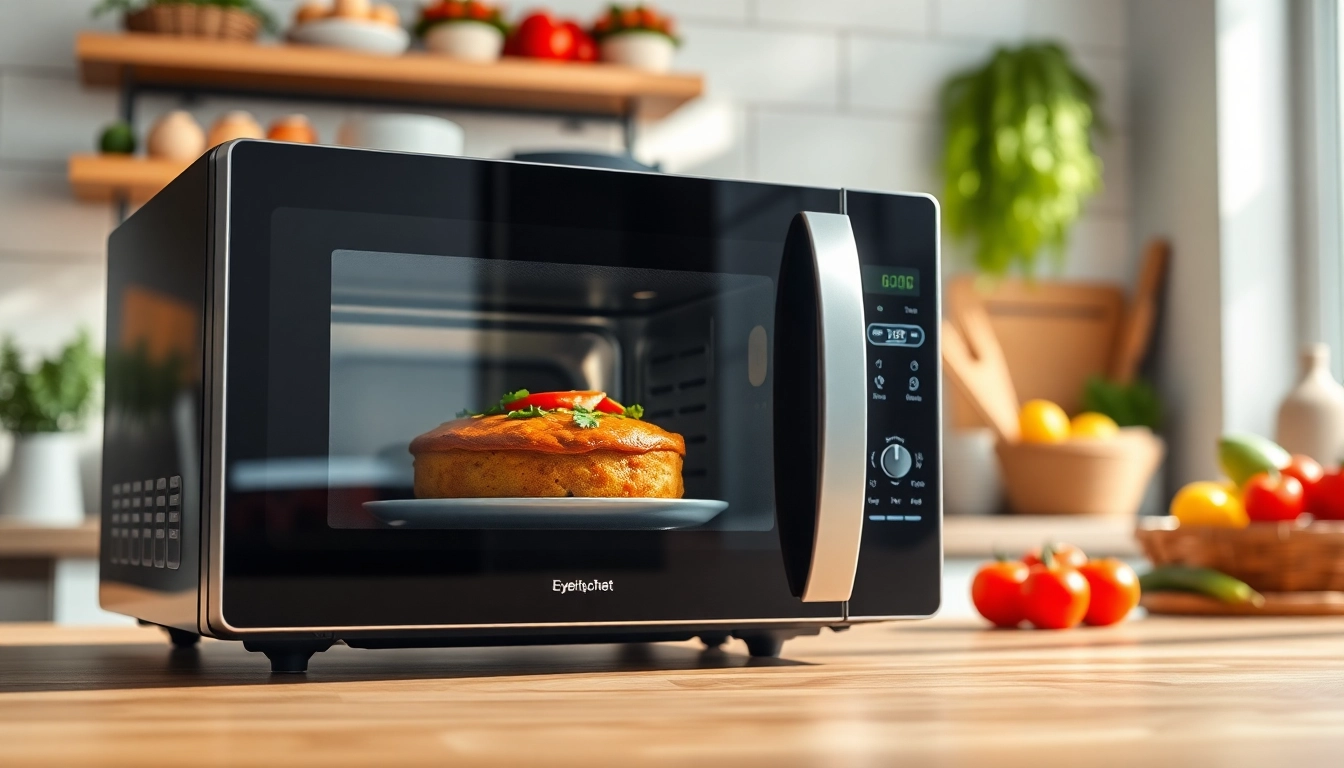
Introduction to Microwave Oven
In today's fast-paced world, the microwave oven has become an essential kitchen appliance, valued for its convenience and efficiency. Whether it's heating leftovers or cooking meals from scratch, the microwave oven plays a significant role. But what exactly is a microwave oven, how does it work, and what benefits does it offer? In this comprehensive guide, we will explore the fundamentals of microwave ovens, their various types, key features to consider when purchasing one, and cooking tips to enhance your culinary experience.
What is a Microwave Oven?
A microwave oven is an electric kitchen appliance that cooks and heats food using electromagnetic radiation in the microwave frequency range. It works by agitating water molecules in food, which generates heat, thereby cooking the food evenly and efficiently. Since its inception in the mid-20th century, the microwave oven has revolutionized how we prepare meals, reducing cooking times significantly while preserving flavor and moisture.
How Does a Microwave Oven Work?
Microwave ovens utilize a magnetron, a specific type of vacuum tube that generates microwave radiation. When food is placed inside the microwave, the magnetron emits microwaves that penetrate the food, causing water molecules to vibrate. This vibration produces heat, which cooks the food from the inside out. Most microwave ovens come with a turntable that rotates the food, ensuring uniform cooking and eliminating cold spots. The efficiency of microwave ovens is one of the reasons they have gained immense popularity in households worldwide.
Benefits of Using a Microwave Oven
- Speed: Microwave ovens cook food much faster than conventional ovens, making them ideal for quick meals.
- Energy Efficiency: They consume less electricity compared to traditional ovens, leading to lower energy bills.
- Convenience: With preset cooking times and power levels, microwave ovens are user-friendly, allowing anyone to cook with ease.
- Versatility: They can be used for various cooking tasks, including reheating, defrosting, and even baking depending on the model.
Types of Microwave Oven
Choosing the right type of microwave oven can significantly impact your cooking experience. Below are the main types available:
Countertop Microwave Oven
Countertop microwave ovens are one of the most popular types due to their affordability and ease of use. They can be placed on any flat surface, making them suitable for all kitchen sizes. These microwaves offer a variety of features, including programmable settings for cooking and defrosting, and can handle a range of food quantities.
Over-the-Range Microwave Oven
Over-the-range microwaves are designed to be installed above a stove, combining the functionality of a microwave with that of a range hood. This type saves counter space while providing ventilation for the kitchen. They often come with varying power levels and cooking presets, making them versatile for different cooking needs.
Built-In Microwave Oven
Built-in microwave ovens are integrated into kitchen cabinetry for a seamless look. These models can be more expensive but often include advanced features such as convection cooking and smart controls. They offer a clean aesthetic, making them a popular choice for modern kitchens.
Key Features to Consider
When choosing a microwave oven, it’s crucial to consider various features that can enhance your cooking experience.
Power Levels and Cooking Presets
Different microwave ovens come with varying power levels that affect cooking time and quality. Higher wattage typically means faster cooking. Additionally, look for models with cooking presets for specific tasks such as popcorn, baked potatoes, and reheating, which simplify meal preparation.
Size and Capacity
The size and capacity of a microwave oven are important considerations, especially if you have limited countertop space or need to fit larger dishes. Most models range from compact sizes that hold under one cubic foot to larger models that offer more interior space for cooking multiple items.
Energy Efficiency Ratings
Energy-efficient microwave ovens can save on electricity consumption, reducing your overall energy bill while being better for the environment. Look for models with energy-efficient certifications to ensure you are making a smart choice.
Cooking Tips for Using a Microwave Oven
Maximize your microwave's functionality by following these essential cooking tips.
Common Mistakes to Avoid
Many users overlook specifics when using microwave ovens, leading to unevenly cooked food or messes. Common mistakes include using non-microwave-safe containers, overcooking items, and not covering food to retain moisture. Always refer to the user manual for guidelines on material compatibility and cooking methods.
Best Practices for Even Cooking
Avoid cold spots by stirring or rotating food during cooking. Using a microwave cover can help trap steam, aiding in even cooking. Additionally, cut food into uniform sizes to promote consistent heat distribution.
Creative Microwave Oven Recipes
Beyond reheating, your microwave can be an excellent tool for creating quick and delicious recipes. Consider trying microwave mug cakes, steamed vegetables, or even scrambled eggs. Incorporating your microwave for these recipes can save time and deliver fresh meals with minimal effort.
FAQs About Microwave Oven
What Can I Cook in a Microwave Oven?
Microwave ovens can be used to cook a wide variety of foods, including vegetables, grains, meats, and even baked goods like mug cakes. It's essential to use microwave-safe containers to avoid issues.
How to Clean a Microwave Oven?
For cleaning, combine water and vinegar in a microwave-safe bowl, heat for a few minutes to create steam, and wipe down the interior. Avoid abrasive cleaners that can scratch surfaces.
Are Microwave Ovens Safe for Cooking?
Yes, microwave ovens are safe when used according to the manufacturer's instructions. It's vital to follow container guidelines to prevent hazardous reactions.
How to Choose the Right Microwave Oven?
Consider factors such as size, wattage, features, and budget. Evaluate your cooking habits and kitchen space to select a model that fits your needs.
Can a Microwave Oven Replace a Conventional Oven?
Microwave ovens can replace conventional ovens for quick meals and reheating, but they may not produce the same quality for baking or roasting. They are ideal for specific cooking types rather than total replacements.