Understanding Structural Steel Welding
In the construction and manufacturing industries, structural steel welding plays a pivotal role in the assembly and longevity of structures. It is an art and a science that combines skilled craftsmanship with technical proficiency. Understanding the fundamental principles and methodologies involved in structural steel welding sets the stage for successful projects and durable constructions. This article will delve deep into the various facets of welding techniques, materials, processes, and the crucial aspects of quality assurance in welding practices.
The Basics of Welding Techniques
Welding, at its core, is a process of joining metal pieces through the application of heat, pressure, or both. Various techniques cater to different projects and material requirements. Here are some foundational techniques commonly used in structural steel welding:
- MIG Welding (Gas Metal Arc Welding): Utilizes a continuous wire feed as an electrode while simultaneously supplying a shielding gas to protect the weld from contamination. MIG welding is known for its speed and versatility, making it ideal for thin materials and quick projects.
- TIG Welding (Gas Tungsten Arc Welding): Involves a non-consumable tungsten electrode to produce the weld, often used in situations requiring high precision and aesthetics, such as when welding stainless steel or aluminum.
- Stick Welding (Shielded Metal Arc Welding): Employs a consumable electrode coated with flux, which protects the weld area from atmospheric contamination. This technique is particularly useful in outdoor conditions and for thicker steel sections.
- Flux-Cored Arc Welding: Similar to MIG, this method uses a tubular wire filled with flux. This technique excels in welding thicker materials and is commonly utilized in construction and repair work.
Key Materials Used in Structural Steel Welding
The most commonly welded materials in structural steel applications are steel and aluminum, although various alloys may also be used depending on the specific requirements of the project. Factors such as tensile strength, ductility, and weldability influence the choice of material. Here’s a closer look at these materials:
- Carbon Steel: This is the most widely used material for structural applications due to its strength, availability, and cost-effectiveness. Different grades of carbon steel can be chosen based on the desired mechanical properties.
- Alloy Steel: It consists of carbon steel with other alloying elements, enhancing specific properties like strength, hardness, and toughness. Alloy steel is essential for heavy-duty constructions.
- Stainless Steel: Known for its corrosion resistance, stainless steel is suitable for environments that require durability against rust and chemical exposure. Its aesthetic appeal makes it a popular choice for visible structural elements.
- Aluminum: Light and resistant to corrosion, aluminum is often used in applications where weight savings are critical. Its low density necessitates consideration during welding to ensure adequate fusion.
Common Welding Processes Explained
Each welding technique has distinct processes and characteristics that suit particular tasks and conditions. A detailed understanding of these processes is essential for ensuring quality and efficiency in structural steel welding:
MIG Welding Process Outline
The MIG welding process begins with the setup of the welding machine and the selection of suitable wire and gas. The welder prepares the joints by cleaning the metal surfaces to avoid contamination. As welding commences, the gun triggers the feed of the wire and the gas, forming a molten pool where the wire melts and joins the base metals.
TIG Welding Process Outline
TIG welding requires the welder to manually feed filler material into the molten weld pool while maintaining an arc with the tungsten electrode. The shielding gas is continuously dispensed to cover the weld area. TIG demands higher skill levels due to the need for precision and control, particularly for thin materials.
Stick Welding Process Outline
Start with the selection of an appropriate electrode, which is then attached to the welding machine. The welder strikes an arc by bringing the electrode in contact with the workpieces, and as the flux on the electrode melts, it protects the weld from impurities. This method is versatile but can produce more spatter compared to MIG or TIG welding.
Importance of Quality in Structural Steel Welding
Quality assurance in structural steel welding cannot be overemphasized. The integrity of welded joints significantly affects the performance of the entire structure. Poor-quality welds can lead to failures, potentially endangering lives and resulting in significant costs. The following sections explore the critical elements of maintaining quality in welding operations.
Ensuring Structural Integrity
Structural integrity refers to the capacity of a structure to withstand its intended load without failure during its expected lifetime. In welding, ensuring structural integrity begins with proper technique and material selection. Performing thorough inspections at every stage—from pre-weld assessments to post-weld quality checks—ensures that all welds can handle the expected stresses.
- Pre-Weld Checks: This includes assessing the fit-up of joints, the condition of the materials involved, and the environmental conditions that may impact the welding process.
- Weld Inspection: Visual inspections may suffice for some projects, but more rigorous non-destructive testing (NDT) methods, such as ultrasonic or radiographic testing, provide deeper insights into the quality of the weld.
- Post-Weld Treatment: Techniques such as heat treatment or post-weld machining can be employed to relieve residual stresses and improve the overall integrity of the welded joint.
Quality Control Measures
To guarantee the quality of welded joints, comprehensive quality control measures must be implemented throughout the welding process. Effective quality control involves the following strategies:
- Welder Qualification: Ensure that all welders are certified and trained according to the relevant standards, as the skills and knowledge of the welder profoundly impact the quality of the welds.
- Standard Operating Procedures (SOPs): Develop robust SOPs for welding operations that include details on preparation, execution, inspection, and quality checks to maintain consistency.
- Documentation: Keep records of all welds, inspections, and qualifications to trace back through processes and ensure accountability and repeatability in weld quality.
Impact of Poor Welding on Structures
Poor welding practices can yield numerous adverse effects, jeopardizing the reliability and safety of structures. Here are some of the potential consequences:
- Structural Failures: Weak welds are a prime cause of catastrophic structural failures, leading to safety hazards and significant economic losses.
- Increased Maintenance Costs: Structures with poor welds typically require more frequent repairs and maintenance, which can compound over time, causing financial strain.
- Legal Liabilities: Failure to adhere to quality welding standards can lead to legal repercussions for companies, especially if failures result in injuries or fatalities.
Advanced Structural Steel Welding Techniques
As technology evolves, so do the methods and techniques employed in structural steel welding. Staying abreast of advancements helps fabricators and construction professionals improve productivity and quality in their projects.
Innovative Welding Technologies
Technological advancements are continually reshaping the welding landscape. Noteworthy innovations include:
- Laser Welding: This process utilizes focused beams of laser light to melt and join materials at high speeds with minimal thermal distortion, ideal for precision applications.
- Plasma Arc Welding: Plasma welding provides deeper penetration and speed compared to traditional methods, making it suitable for thick materials.
- Hybrid Welding: Combines multiple welding techniques, such as MIG and laser welding, to capitalize on the strengths of each method, achieving better results.
Robotic vs. Manual Welding
Choosing between robotic and manual welding is a critical decision influenced by project requirements. Each method has distinct advantages:
- Robotic Welding: Increases efficiency, consistency, and precision in production. Robots are perfect for repetitive tasks and can operate in hazardous environments, reducing worker risk.
- Manual Welding: Offers flexibility and adaptability, allowing skilled welders to adjust techniques and approaches on the fly. This method is often used in complex and intricate installations where judgment and creativity are vital.
Welding Codes and Standards
Adhering to welding codes and standards ensures a baseline of quality and safety. Key organizations set these codes, including:
- American Welding Society (AWS): Provides guidelines and certifications for welders and welding practices.
- International Organization for Standardization (ISO): Establishes global standards, influencing quality assurance protocols worldwide.
- American Institute of Steel Construction (AISC): Focuses specifically on standards relevant to steel structures, ensuring safety and performance.
Common Challenges in Structural Steel Welding
While welding is a critical component of structural steel construction, various challenges can impact both quality and efficiency. Identifying these challenges and establishing effective countermeasures is essential.
Identifying and Solving Welding Defects
Welding defects can manifest in numerous forms, including cracks, porosity, and incomplete fusion. Early identification is key to preventing escalation. Common defect types and their solutions include:
- Cracks: Often arise due to stress or improper cooling. To mitigate this, welders can implement preheating techniques and control cooling rates.
- Porosity: Resulting from trapped gas in the weld bead, this issue is commonly addressed by ensuring proper cleaning of surfaces and selecting appropriate shielding gases.
- Undercutting: This defect involves the melting away of base material, leading to weak joints. Managing travel speed and heat input can help address this issue.
Heat Control and Distortion Issues
Heat control is critical in welding to prevent distortion and warping of metal components. A few best practices to manage heat include:
- Intermittent Welding: By welding in short bursts, heat can be distributed more evenly, minimizing thermal expansion and contraction.
- Use of Heat Sinks: Placing heat sinks adjacent to the weld can help draw away excess heat and maintain the integrity of the surrounding material.
- Post-Weld Heat Treatment: Implementing heat treatment after welding can relieve residual stresses, reducing the likelihood of distortion.
Worker Safety in Welding Environments
Welding environments can pose several hazards, making worker safety paramount. Effective measures include:
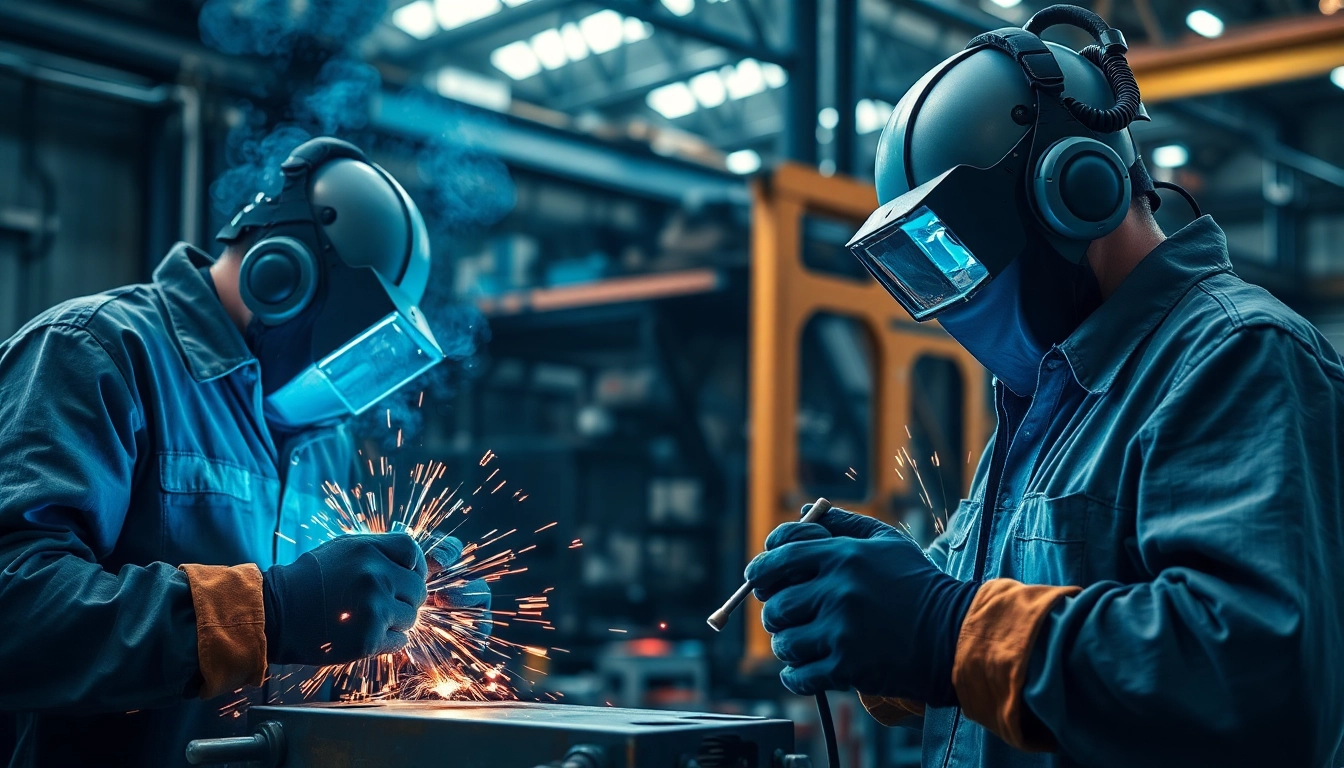
- Personal Protective Equipment (PPE): Mandatory use of gloves, helmets, respirators, and protective clothing shields workers from exposure to fumes, sparks, and UV radiation.
- Training and Education: Regular safety training ensures welders are aware of hazards and equipped with the skills to manage them.
- Environment Control: Ensure proper ventilation in welding areas to disperse harmful gases and fumes, thereby mitigating health risks.
Future Trends in Structural Steel Welding
The field of structural steel welding is continuously evolving, influenced by innovations in technology, demands for sustainability, and shifts in workforce dynamics. Understanding these trends is critical for adapting to future challenges in the industry.
Sustainability and Eco-Friendly Practices
Modern construction demands increased attention to environmental impact; welding practices are no exception. Sustainable practices include:
- Use of Recyclable Materials: Incorporating recycled steel into projects significantly reduces waste and environmental footprint.
- Energy-Efficient Welding Processes: Exploring welding methods that require less energy consumption contributes towards a greener future.
- Reduction of Harmful Emissions: Utilizing advanced technologies, such as laser and plasma welding, can help minimize harmful fumes and gases produced during welding.
Automation in Steel Fabrication
As with many facets of manufacturing, automation is making its way into steel fabrication and welding. The benefits of automation include:
- Increased Production Rates: Automation enables high-speed welding processes, increasing throughput and meeting demanding timelines.
- Improved Precision: Automated systems deliver consistent and repeatable results, reducing the occurrence of welding defects and errors.
- Cost-Effectiveness: While initial investments may be significant, over time, automation can reduce labor costs and improve efficiency.
Skills Development for Future Welders
The evolving landscape of welding necessitates ongoing education and skills development. Key areas for focus include:
- Emphasis on Technology: Future welders must be equipped to work with advanced machines and software, necessitating continuous training and upskilling.
- Interdisciplinary Knowledge: Understanding adjacent fields, such as robotics and materials science, can enhance a welder’s versatility and capability.
- Soft Skills Development: Enhancements in communication, problem-solving, and teamwork are essential for welders working in collaborative environments.
Conclusion
Mastering structural steel welding is an ongoing journey that requires a deep understanding of techniques, materials, quality control, and safety protocols. As technology advances and the demands on the construction industry evolve, it is vital for professionals in this field to remain adaptable, continually updating their knowledge and skills. By addressing contemporary challenges and embracing future trends, the welding community can ensure structural integrity and safety for all structures built from steel.